Newsletter
December 2025
Q & A on how GORCAPA manages Lorne vegetation
We’ve been worried. A few months ago, only one person turned up to the monthly Lorne Care working bee. There used to be at least a dozen. Usually more. The Sunday morning sessions are run in partnership with GORCAPA.
Quite a few suggestions have been put forward to Lorne Care on how to boost their numbers. But one thing we felt we could tackle quite swiftly was the seeming randomness of what volunteers were invited to do sometimes. It sometimes felt like we were hand weeding something that someone else with a chainsaw or a poison spray pack could fix on a weekday. The emphasis here is on felt like. We knew there was a Coastal Vegetation Strategy, the CVS (backed up by ecological science) and a few years ago we had a satisfactory dialogue with GORCAPA about the Coast Tea Tree that resulted in changes to what they planned to do, where and when (check it out here).
Nonetheless, justified or not, we knew there was some disquiet. So, we organised a webinar for the field staff to talk about it.
Here is what we learned from Scott and Kim.
Why is the coast tea tree ultimately to come out of most places? Wasn’t it planted to stabilise the soil?
Yes, that is why it was introduced. But after a while it was observed to do more harm than good. In some situations, when it’s young it is dense and provides great habitat. But as it ages, nothing grows well beneath it. It creates great voids where understorey species should be. This means that a fox at one end of the stand can easily see all the way through to the small mammals and birds looking for a place to hide. Removing Coast Tea Tree increases overall biodiversity and dune health, and enables complex vertical structure in our vegetation, crucial habitat for native species.
It’s been frustrating in Queens Park to hack out pittosporum and then see GORCAPA staff leave it there (continuing to drop seeds) instead of carting it away.
We acknowledge this. But from our point of view, we need to manage a large landscape with limitations in staffing and time. The time we could spend driving in (if access allows), dragging it out and carting it away would be better spent cutting down more mature pittosporum. Yes, it will seed one last time while it’s heaped up. But the time not spent dragging material out can be dedicated to removing more mature plants, decreasing the overall seed produced over the site. We can remove the seedlings, which won’t produce seed for a couple of years, that result from this quite easily – all of this follow up work is fed into our works plan, ensuring all sites started are followed up, either at 6-month, 1 year or 2-year intervals.
GORCAPA is committed to keeping a green screen to provide privacy to the dog beach, yes?
Yes. We will start thinning the tea tree (taking out about one in three in line with CVS objectives) on the dog beach from mid next year onwards. But we will be careful to do it in a way to make sure we create no more gaps. We know you don’t want to see more traffic.
You have revegetated some areas where the tea tree was. Things seem to be springing back pretty well. So why are you now saying that you want to allow things to regenerate naturally rather than plant out new seedlings?
Previously after the removal of large stands of woody weeds (Coast Tea Tree, Sweet Pittosporum or other species) we would revegetate immediately, this was to establish ground cover to minimise weed regrowth and re-stablish the site as quickly as possible. Over time we observed several indigenous species germinating naturally after the weeds were removed, nature doing what it does best. We have found that by letting the site naturally regenerate for the first year we’re seeing the natural seedbank bounce back. This decreases costs and staff time and minimising soil disturbance, which is important in these sensitive areas. We still conduct revegetation in areas where natural regeneration struggles (old kikuyu patches) and in the second year of sites when natural regeneration hasn’t succeeded.
Why do you leave dead trees and shrubs everywhere? It’s pretty unsightly in some places.
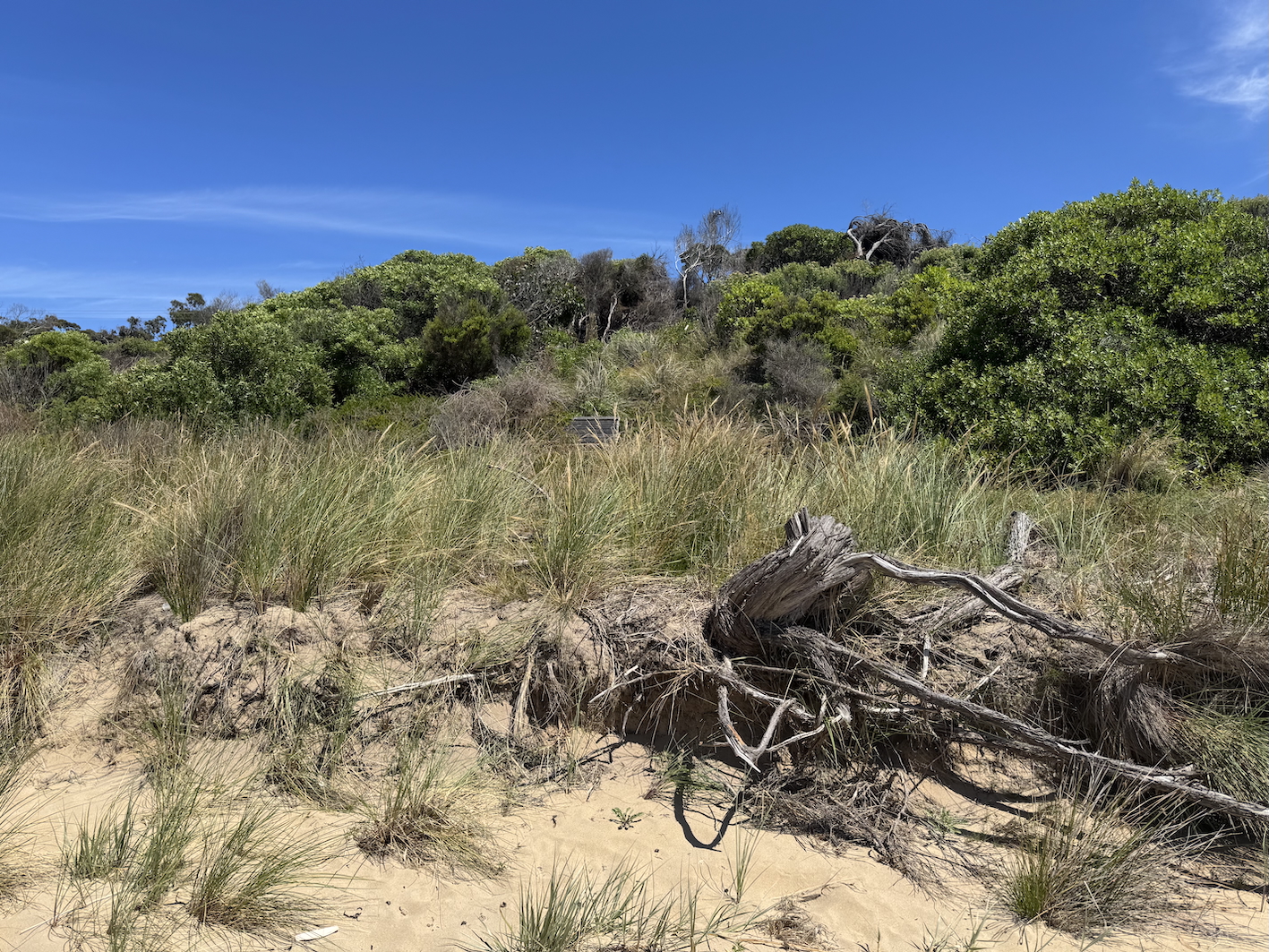
It provides habitat. That’s what matters. It does not take long for new growth to cover things up. We try to keep things natural. It’s not managed like we would manage a garden or urban public park. In some areas (such as the Swing Bridge site) we remove the material cut to create space of revegetation and minimise fuel loads. In other, more ‘natural’ areas we leave the cut material, which creates habitat and allows the team to cover a larger area.
We expected to get a ‘health check’ on some of the various sections you manage. But we ran out of time. Can you tell us now how things are going? What you are pleased about? What is a concern? What is to happen next?
|
Doug Stirling track |
Species list developed for revegetation of Perriwinkle patches which have been controlled. Waiting on soil testing to determine if gums can be replanted. Indigenous grassland species continue to be supported through brush cutting and herbicide application. |
|
Foreshore, main beach |
This area is maintained for public use and access by our Coastal Operations team. |
|
Foreshore, in front Mantra |
As per above. We’ve controlled weeds in the areas that the hooded plovers are breeding but have no scope to remove Coast Tree Tea. |
|
Swing Bridge and Erskine River |
Swing Bridge site is looking good, continuing to weed and monitor vegetation growth. |
|
Erskine River, north bank near the supermarket |
Contractors have conducted small amount of works. This site is extremely weedy. Due to proximity to river and topography weed management is limited. |
|
Bert Alsop Track |
This site is coming along wonderfully – most objectives in the Coastal Vegetation Strategy have been met and sites where Coast Tea Tree were removed are becoming quite established. |
|
Stony Creek |
Site is looking ok – still ongoing weeding occurring. |
|
Queens Park, George St |
The team have completed works in the area, making a significant difference to weed coverage. South African Weed Orchid has been popping up in some areas. We will be tackling this again this coming year. |
|
Queens Park, Slaughterhouse site |
Works continue – significant decrease in weed coverage on this site. |
|
Other |
Note – the Lorne conservation team also conduct weed control in Aireys Inlet. We prioritise High and Medium rated sites within the CVS first. |
You said that one of the best things we could do is pull out marram grass on the beach and replace it with spinifex, why?
Marram grass in another one the things that were introduced to stabilise the sand. But it turns out to do more harm than good. It puts down a vertical root which means that as the sand moves it creates shelves, cliffs or drop offs. Hooded Plovers don’t nest in these heavy infested dunes as there is nowhere suitable to lay their eggs. Spinifex, by contrast, provides a place to hide and nest and the roots hold the sand in a more dynamic way.
How do you monitor your effectiveness? How do you know when to change tack or alter the strategy?
Every 5 years the Coastal Vegetation Strategy is reviewed by an ecologist. They provide overall decrease in weed coverage and provide status updates on the objectives set. During this 5 year period we conduct internal reviews of objectives, ensuring high priority sites are being completed. Added to these we conduct vegetation transect lines to monitor vegetation diversity and growth where large stands of weeds have been removed and have staff present in the field to observe changes. What we mean is, we lay down a line of string across a plot and systematically measure what grows around it. Finally, we partner with other ecologists (Conservation Ecology Centre and Barbara Wilson) who conduct their own research on environmental values. _
Can you give us some examples of where you have changed your mind and altered the vegetation management strategy?
The Lorne Swing Bridge site is a great example of this, through consultation we altered our approach. We took out just half of what we planned at first. Replanted. Now we are monitoring the regrowth. It’s going well.
Some of our volunteers are getting on a bit. It can be daunting to show up and find that we are pulling out ivy, for example. Would it be possible to provide a kind of grading or rating scheme for the various sites we work on? That way we all know in advance if it’s easy, medium or hard.
We could investigate a rating system. We make an effort to provide activities that are accessible for all, this allows everyone to participate. On each site there’s usually a mix of easier or harder tasks. We can make that clearer. We’ve highlighted the key sites that most people can help with. Lorne is a beautiful area, but with its diverse landscapes and rolling hills, this does make access and the weeds present difficult to get to.
In your view what are some of the best things for volunteers to do?
Well, that’s your choice. I will just say that we would not be able to do half as much of what we do along the coast if it were not for our dedicated volunteer groups. We really thank you for that. Some groups decide to concentrate just in one or two areas and that becomes “their spot.” That can be really satisfying. For example, now that hoodies have started coming to Lorne you might want to concentrate on the marram grass removal. Stony Creek is a Lorne Care success story because of the concentrated effort there. But as I said, it’s up to you.
Thanks to Scott Hives and Kim Hammond for the webinar. The detail has been very helpful.
—————-
SEAL CARE
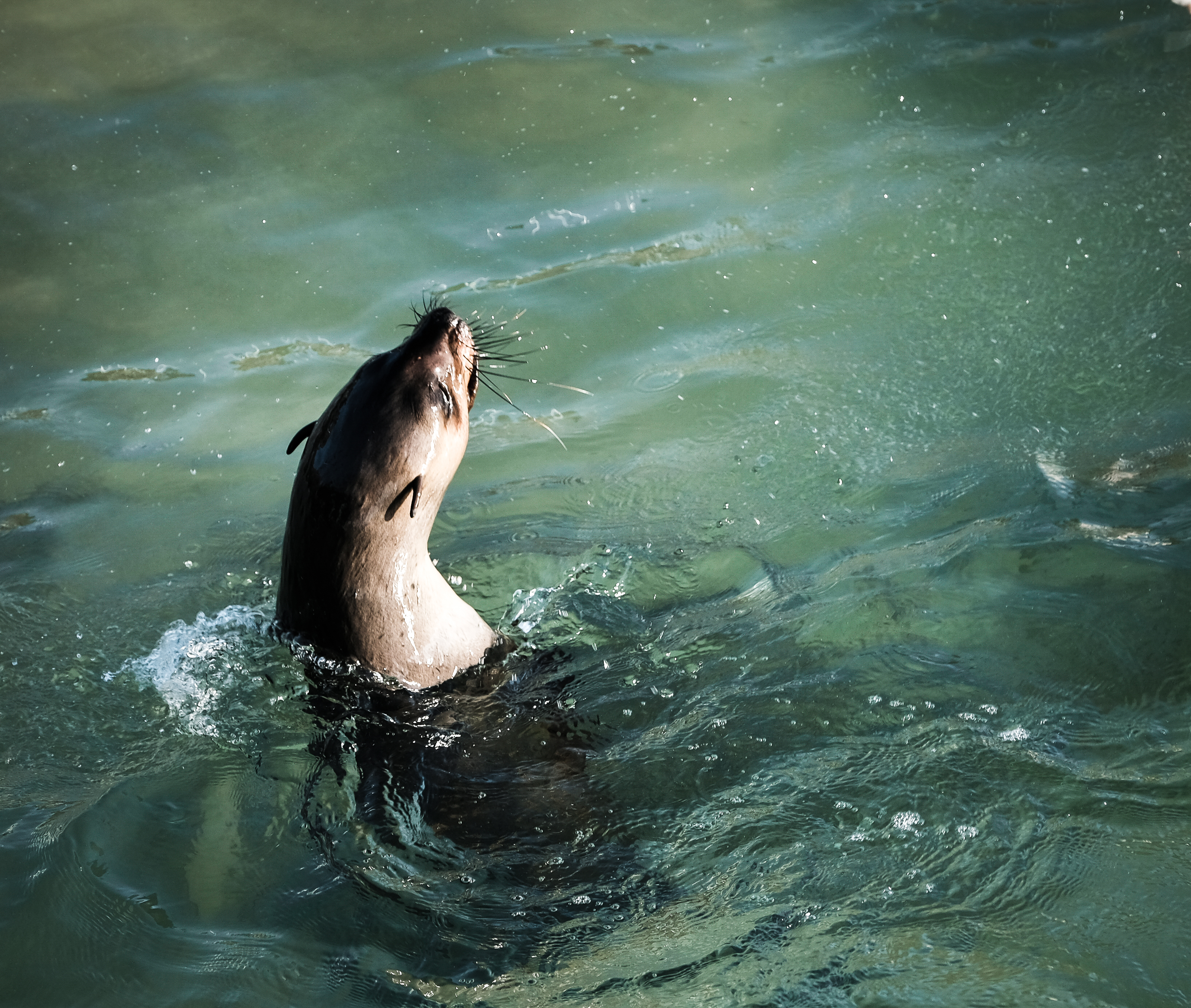
Seals rest on our beaches during the summer. GORCAPA even have a special “Seal Resting” sign to remind beach goers to give a seal a wide berth if there’s one lingering in a particular spot. People must not get closer than 30m to a seal and a dog no closer than 50m. If you see a dog bothering a seal, call the police. Seals are protected wildlife and the fine for the owner can be up to $4000. We are also not permitted to feed a seal. We’re told that the sharks seen out the back of our beaches in the last few days are bringing the fish and the seals closer in.
The Zoo’s Marine Rescue Unit are the ones to call if you suspect that a seal is sick or in distress. The situation has worsened with more fishing tackle being discarded on our pier and shores. GORCAPA coordinates with the Zoo’s Marine Rescue Unit so one of the GORCAPA staff may be who attends in the first instance. GORCAPA also come and bury dead seals, so report those too please.
GORCAPA: 1300 736 533
Zoo’s Marine Rescue Unit 1300 245 678
Seal photo by Alan Shiell
Hoodies nest at Erskine River mouth
If you have been anywhere near the new cafe at the Swing Bridge you will have seen the new hooded plover nest at the Erskine River mouth. The chicks are due to hatch on Tuesday 30 December. After that they will be on the beach (flightless) for five weeks. It is going to take some serious wrangling to keep the people and dogs away. The photo below is of the roped off zone that was kept free of prints of people or dogs up until 27 December. We note there are dog prints on it now, unfortunately. A set of large dog prints crosses the zone just inches from the nest. Another set of human prints (a child) does the same. Presumably, in both cases the birds took off. They are back sharing nest sitting duties now. The nest has also seemed to have survived two high tides where water washed over the nest.
We very much need more volunteers please. We will be on the beach all day once chicks arrive. The hoodies’ natural predators are birds of prey. Feral cats and foxes are threats too (we don’t call these ‘natural’). But the hoodies’ main threats are people and dogs because there’s more of them. That is why the survival rate of chicks is just 3% and why these birds are already extinct in Qld and in northern NSW. Humans either crush hoodie chicks accidentally (or for fun if you are a dog). Or we come so close that the chicks hide, leading them to hide for too long and they starve.
So if you are not already signed up contact us at committee@friendsoflorne.org.au. Even if you think you can only help occasionally, it will make a difference.
—————-
The hoodie nest before the holiday-maker influx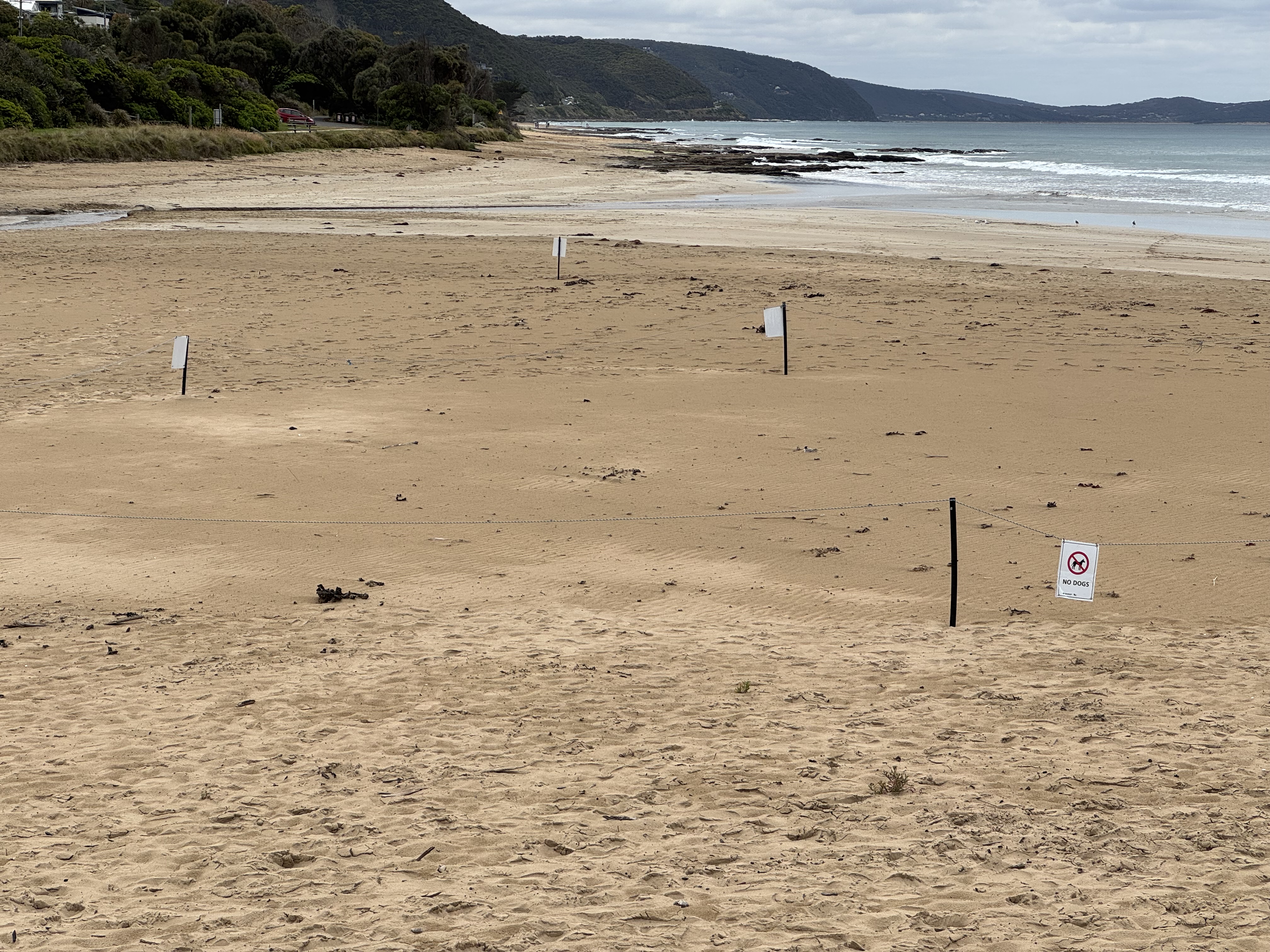
Pt Grey Misinformation and Update
There has been a large amount of fury in the community based on misinformation. It’s been put about since an article in the Surf Coast Times on the 31 October said that GORCAPA is demolishing the co-op building to build something that will be mostly toilet block with a small, attached kiosk. A regular columnist in The Age subsequently wrote that Lorne only knows this because of classified leaked plans. The story has been repeated many times.
If it were true, this would be quite awful. But it is not true.
Friends of Lorne thinks that the best source of information about what GORCAPA doing is GORCAPA. So here is what we know.
We advised you in our “Feedback from the GORCAPA CEO” item on 4 November that GORCAPA had shown draft plans of the internal layout of the proposed new co-op building at a public meeting. These were not leaked classified plans. We were in a publicly advertised webinar being walked through a PowerPoint presentation by the architects. This was on the 8 September, just as the almost year-long consultation phase (meetings, drop-ins, surveys etc) was coming to a close.
Friends of Lorne put in our second round of feedback for 2025 in response to what we saw. GORCAPA replied to us (16 October) agreeing to shrink the toilets, expand the hospitality space and bring back (bits of) the old crane and couta boat. We received this undertaking by email from the GORCAPA CEO. We put this in our update to you. Like good girl guides, we also shared all the information as and when it was received (ie, October) with other organisations in Lorne who have a keen interest. Nonetheless the community meeting held in Lorne on 9 November appeared to prefer the bad, outdated, incorrect news.
If you go to the Pt Grey project page on the GORCAPA website, you will find these facts confirmed (the green colour is added by us for emphasis).
“The new Co-Op
Will include a new hospitality offering and an accessible public toilet within the footprint of the 1949 original structure.
Reflects the original Co-Op in its size, shape and roofline, and we will be reusing elements such as old bricks and metal work wherever possible.
In mid-October, we increased the size of the hospitality space and reduced the number of toilets following feedback from the community on the concepts released in September.
We are also working with the Lorne Historical Society to incorporate display spaces for their use.
The venue will have amazing views out to the pier, plenty of seats inside and out, and be located next to new public open areas with additional seating.”
You will also find a bit further down where GORCAPA say that they will
“…map out how to incorporate signage, interior and exterior display, sculptures and other design features that highlight the area’s cultural, maritime, and timber history – including how to include the restored pier crane and a resorted couta boat” (they mean “restored” couta boat, but we’re not complaining, we get the drift!)
Right now, we are waiting to hear back from GORCAPA about the meeting held recently between the GORCAPA architects/engineers and the heritage architects about the state of the old co-op building. The heritage architects assessed the building in 2023 and thought it was rescuable. But the GORCAPA architects/engineers disagree with that assessment. Given the deep community feelings about the building, we have asked that the difference in professional opinion be explained to us in lay person terms. We can’t tell if this is a case of experts making different assumptions (using different sea levels, for example). Or talking at cross purposes (each focused on slightly different things). Or having different levels of risk aversion. Or different expertise. Or different thresholds for acceptable cost. Or what? Leaving this unexplained and unresolved did not seem wise, so GORCAPA held the meeting. Afterall, the understanding of what is or is not possible matters a lot. That is, did we do all we could structurally to save the building?
There is an art and history strategy group that meets with GORCAPA to plan the history telling. Friends of Lorne is on that group, along with the Lorne Historical Society, the Eastern Maar, two Lorne people who are historians and a representative from the Lorne Biennial Sculpture Exhibition group. One of the first things the historians said back in October was that we needed a professional curator. This idea had also been raised by the Community Reference Group. So GORCAPA committed to doing just that. The art and history strategy group will reconvene once that appointment is made.
Finally, here is a personal statement from me. I have found the anger and the fury sickening. I don’t care that GORCAPA is not elected. I don’t elect the people who run the Environment Protection Authority either. But that does not make me think them any less accountable for what they do as public servants. GORCAPA staff are public servants. They communicate promptly with us. They change tack when they can (eg, the changes to the coast tea tree removal plans as a result of community concern). And, here’s the big one that everyone seems to have forgotten. GORCC was the organisation with the Beacon Building plans that few in the community liked. Lawrie Baker, Stephen Hains, and the LAAC took GORCC to VCAT after the Surf Coast Shire had approved the Beacon Building and Pt Grey plans. But after the VCAT hearing and three months before the results of the hearing were known, the newly formed GORCAPA (formerly GORCC) set the Beacon Building plans aside. GORCAPA declared that it was wrong to be in a contest with us. They decided to work with the community instead.
When did you last hear that story repeated around Lorne, eh?
There’s many of us who try keep Lorne beautiful and workable/liveable. There’s always issues that we’ll not be happy with and seek to fix. There are some big concerns and question marks remaining over the swimming pool, for example (lease conditions like heating, lease compliance monitoring, when are we going to get an update etc etc). So we are always working hard on something. But for me, at least, I am working from the experience that GORCAPA people (and the Shire people for that matter) try to get it right, or make it right, or admit to it if they get it wrong. That’s what any of us do or expect of each other. We expect to see updated plans soon.
Penny Hawe
—————-
NATURE NOTES
Lorne Bulbine Lily
Eva J Youl
Many readers may be familiar with the Christmas Lily (Lilium longiflorum) that has fragrant, pure white trumpet-shaped flowers. Although this is not a native Australian flower, it is frequently gifted around Christmas time. Before we get onto discussing Australian lilies, you may like this story. A woman I know always got horrible hayfever-like symptoms around Christmas time. It was only after her divorce that she realised why. She no longer received a huge bunch of Christmas Lilies from her husband, now ex-husband, and her Christmas miseries disappeared. Yes, she had an allergy to the lily pollen.
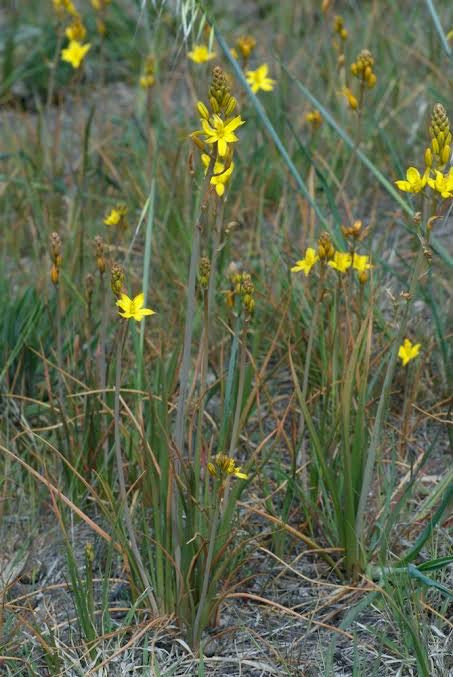
Now to Australian lilies. You will be familiar with Chocolate Lily and Flax Lily, but have you seen Lorne’s own Bulbine Lily? In November local identity, Christina, asked if I had seen the bulbine lilies growing along the George River track. I had not. So we set off. As you know, Christina is an avid hiker, but more importantly she has good observation skills and a passion for wild flowers.
Clinging to the side of the vertical walls opposite the St. George River were small patches of yellow. Bulbine bulbosa is sometimes called native leek because the starchy corms are edible. First Nations people would roast the corms as bush tucker. The toxic leaves are not to be eaten. When the leaves die back, the corm can be harvested. An unharvested corm will re-shoot the following autumn.
Underground storage organs of plants serve as an energy store for the plant. These underground organs can be either modified leaves, stems or roots (e.g. bulbs, tubers, corms and tuberous roots). Corms are modified stems and have solid tissues at the centre, whereas bulbs are modified leaves composed of layers. These storage organs are an important part of the asexual reproductive cycle of the plant.
Photo by Eva J Youl
All articles are by the Committee of Friends of Lorne unless otherwise specified.